
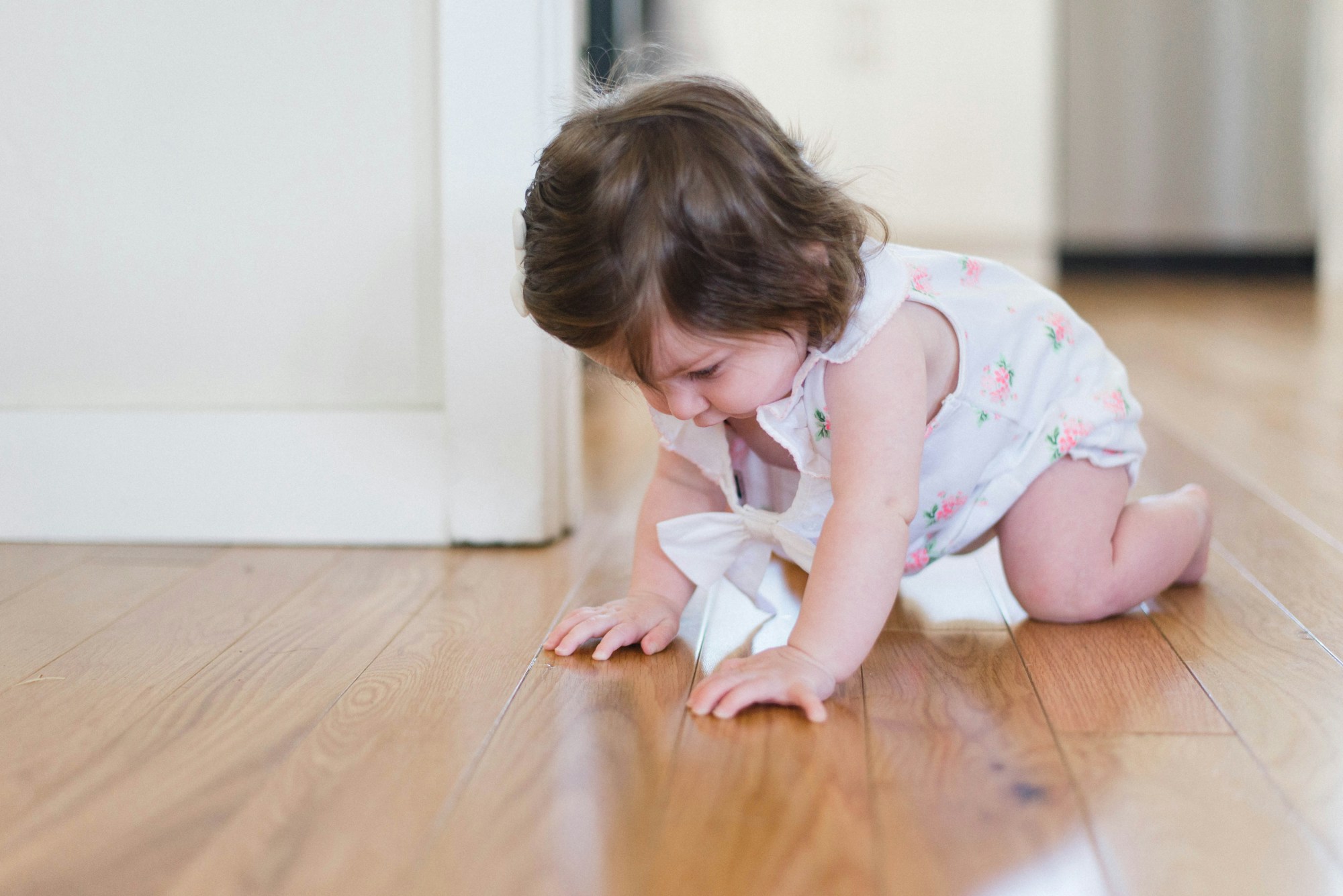
A small child moves fast, explores everything and doesn't yet know what's dangerous. A few specific habits, though, can greatly reduce the risks at home. This is the list that both parents and nannies should read.
Water: never without supervision
According to the World Health Organization, drowning is the fourth leading cause of death for children aged 1 to 4 worldwide. The American Academy of Pediatrics notes that a young child can drown in just a few centimetres of water, quickly and silently, and that most drownings at home happen in the bathtub, usually in a single moment of inattention.
- In the bath, an adult stays right next to the child the whole time, within arm's reach.
- If the phone rings or someone's at the door, the child comes out of the water with you.
- Empty the bathtub, buckets and any container of water immediately after use.
Medicines and cleaning products
- All medicines locked away or kept high up, out of sight, in their original packaging.
- Child-safety caps make things harder for a child, but they're not impossible to open. They're not enough on their own.
- Be careful with any medicines in your bag, and in visitors' bags too.
- Cleaning products, including toilet cleaners, should be kept high up or in a cabinet with a safety lock.
Food and small objects
The AAP recommends that high choking-risk foods not be given to children under 4, and that young children's food be cut into pieces no larger than about one and a half centimetres. Meals should always be eaten with an adult present.
- Buttons, coins, marbles and small toy parts should be kept out of a baby's reach.
- Balloons are a choking hazard for children up to age 8.
- Button batteries can cause internal burns if swallowed. Extra care is needed with remote controls and small gadgets.
Falls, windows and furniture
- A baby should never be left alone on a bed, sofa or changing table, not even for a second.
- The NHS recommends stops or safety locks that allow windows to open less than 6.5 centimetres. The AAP recommends, where possible, opening windows from the top.
- Bookcases, chests of drawers and TVs should be secured to the wall. A TV on top of a chest of drawers that tips over can seriously injure a child.
Burns
A hot drink can still cause a burn even 15 minutes after it's made, the NHS notes. Keep hot liquids away from the edge of the table and never hold them while holding the child. If a burn happens, run cool water over the area immediately and seek medical help if needed.
Why first aid matters
Prevention reduces risks, it doesn't eliminate them. In a choking incident or an episode where a child stops breathing, whoever is with the child at that moment needs to know what to do until help arrives. The Hellenic Red Cross runs a six-hour programme where you're trained in CPR and in managing choking in adults, children and infants, with a certificate valid for three years.
That's why at Kindora our nannies hold a first aid certification, and with every placement we offer a free first aid seminar for parents and nannies as a gift.
Phone numbers that should always be close at hand
- 112, the single European emergency number, free of charge
- 166, EKAB (National Emergency Aid Centre)
- 210 7793777, Poison Control Centre, available 24 hours a day, 7 days a week, free of charge
- the child's paediatrician, and both parents' mobile numbers
Write them down on a piece of paper next to the fridge, along with the home address: in an emergency, the nanny will need to give it exactly right.
Sources
- World Health Organization: Drowning, fact sheet
- American Academy of Pediatrics (HealthyChildren.org): Water Safety for Young Children
- NHS: Baby and toddler safety
- American Academy of Pediatrics (HealthyChildren.org): Poison Prevention
- American Academy of Pediatrics (HealthyChildren.org): Home Safety, Here's How
- American Academy of Pediatrics (HealthyChildren.org): Choking Prevention
- American Academy of Pediatrics (HealthyChildren.org): Preventing Furniture and TV Tip-Overs
- American Academy of Pediatrics (HealthyChildren.org): Safety for Your Child, 1 to 2 Years
- Hellenic Red Cross: First Aid
- Ministry of Health: Poison Control Centre
- Decentralized Administration of Attica: Emergency phone numbers
- General Secretariat for Civil Protection: 112
This article is for informational purposes only and does not replace first aid training or medical advice.